

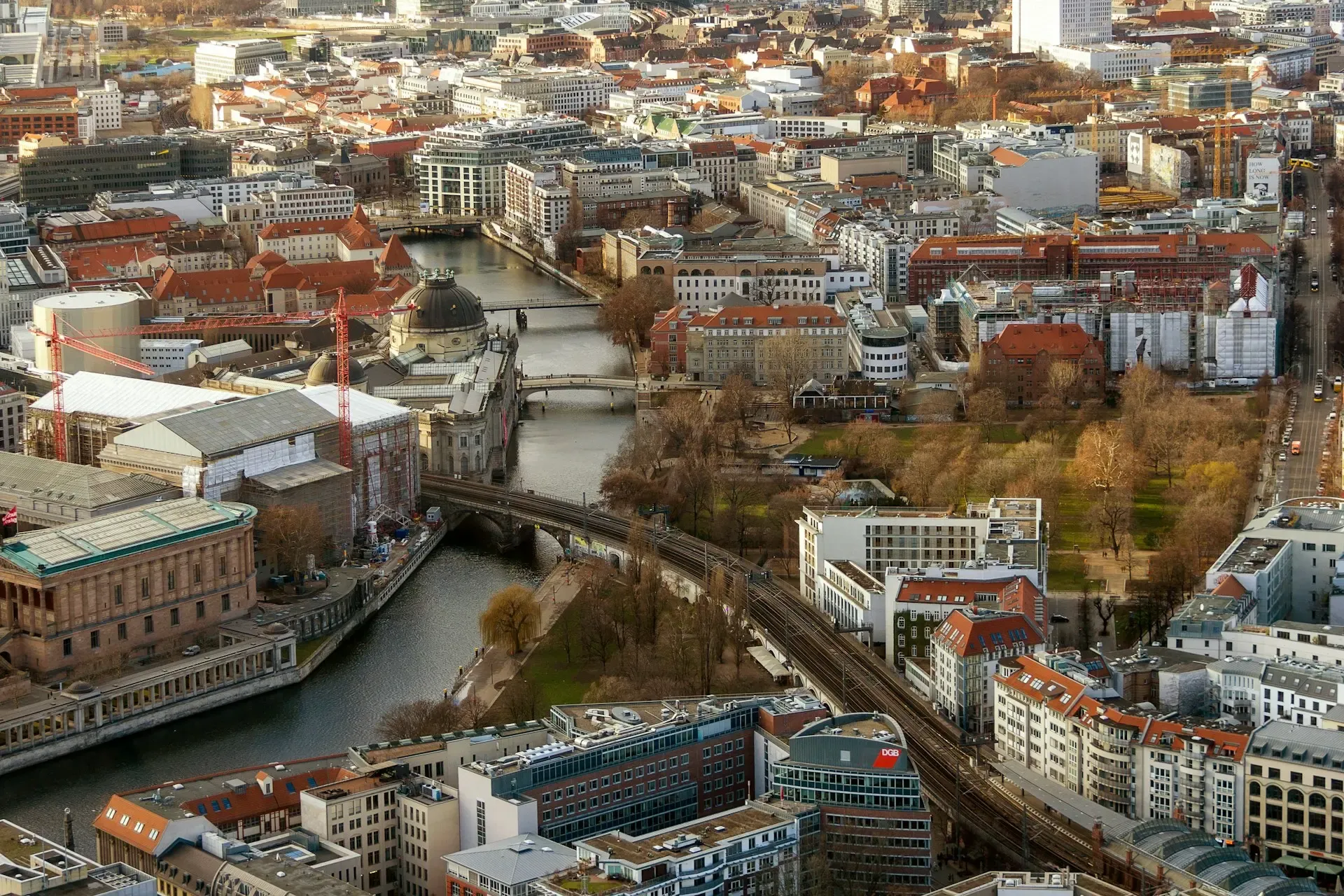
A hotel can look wonderfully central on a Berlin map and still leave you changing trains twice to get anywhere you actually want to go. Berlin isn’t a city where everything radiates from one beautiful old square. The museums, nightlife, shopping streets and quieter neighbourhoods are spread across several centres.
My short answer: for a first trip, I would start looking around Hackescher Markt or Friedrichstraße in Mitte. For a quieter stay with cafés and children, look at Prenzlauer Berg. If the evenings matter more than the monuments, consider Kreuzberg or Friedrichshain. And if you’re finding better value in Charlottenburg or Schöneberg, don’t rule them out just because they’re west of the famous sights.
The trick is to choose a particular part of a neighbourhood and a useful station, not simply a district name. Here’s how I would make that decision before paying for a room.
The quick decision: which part of Berlin fits your trip?
| Comparison | Best for | Look near | The main advantage | The catch |
|---|---|---|---|---|
| Mitte | First-time sightseeing | Hackescher Markt, Friedrichstraße, Museumsinsel | Historic sights and excellent connections | Central hotels can cost more; busy streets are not always charming |
| Prenzlauer Berg | Families, couples, slower mornings | Kollwitzplatz, Senefelderplatz, Eberswalder Straße | Pleasant streets, cafés, parks | Longer journeys to some museums and West Berlin |
| Kreuzberg | Food, bars, neighbourhood life | Bergmannkiez, Graefekiez, around Görlitzer Bahnhof | Independent places and evenings on your doorstep | Noise and station access vary block by block |
| Friedrichshain | Clubs, younger atmosphere, East Side Gallery | Boxhagener Platz, Warschauer Straße, Ostbahnhof | Late-night culture and eastern Berlin | Some streets are noisy; not every address is well connected |
| Charlottenburg / City West | Shopping, couples, quieter hotels | Savignyplatz, Zoologischer Garten, Kurfürstendamm | Good restaurants, shopping and transport | Historic Mitte is a journey away |
| Schöneberg | Relaxed local base and queer nightlife | Nollendorfplatz, Viktoria-Luise-Platz, Bayerischer Platz | Good mix of residential streets and connections | Choose the station carefully; the wider area is large |
| Neukölln | Independent bars and repeat visitors | Northern Neukölln near Hermannplatz or Rathaus Neukölln | Neighbourhood energy and varied food | Not the simplest first-trip base; noisy pockets |
| Potsdamer Platz / Hauptbahnhof | Short work trips or early trains | Potsdamer Platz or Berlin Hauptbahnhof | Efficient rail connections and conventional hotels | Less neighbourhood atmosphere outside the hotel |
One important distinction: Berlin has 12 administrative boroughs (Bezirke), but visitors usually choose between much smaller areas known as Kieze. Mitte is both the name of a borough and a locality; Kreuzberg and Friedrichshain are parts of the larger Friedrichshain-Kreuzberg borough. A booking website that says only “Mitte” or “Neukölln” may be describing a much larger area than you imagine. Use the address, not the label.
1. Mitte: the easiest first-time choice, if you choose the right part
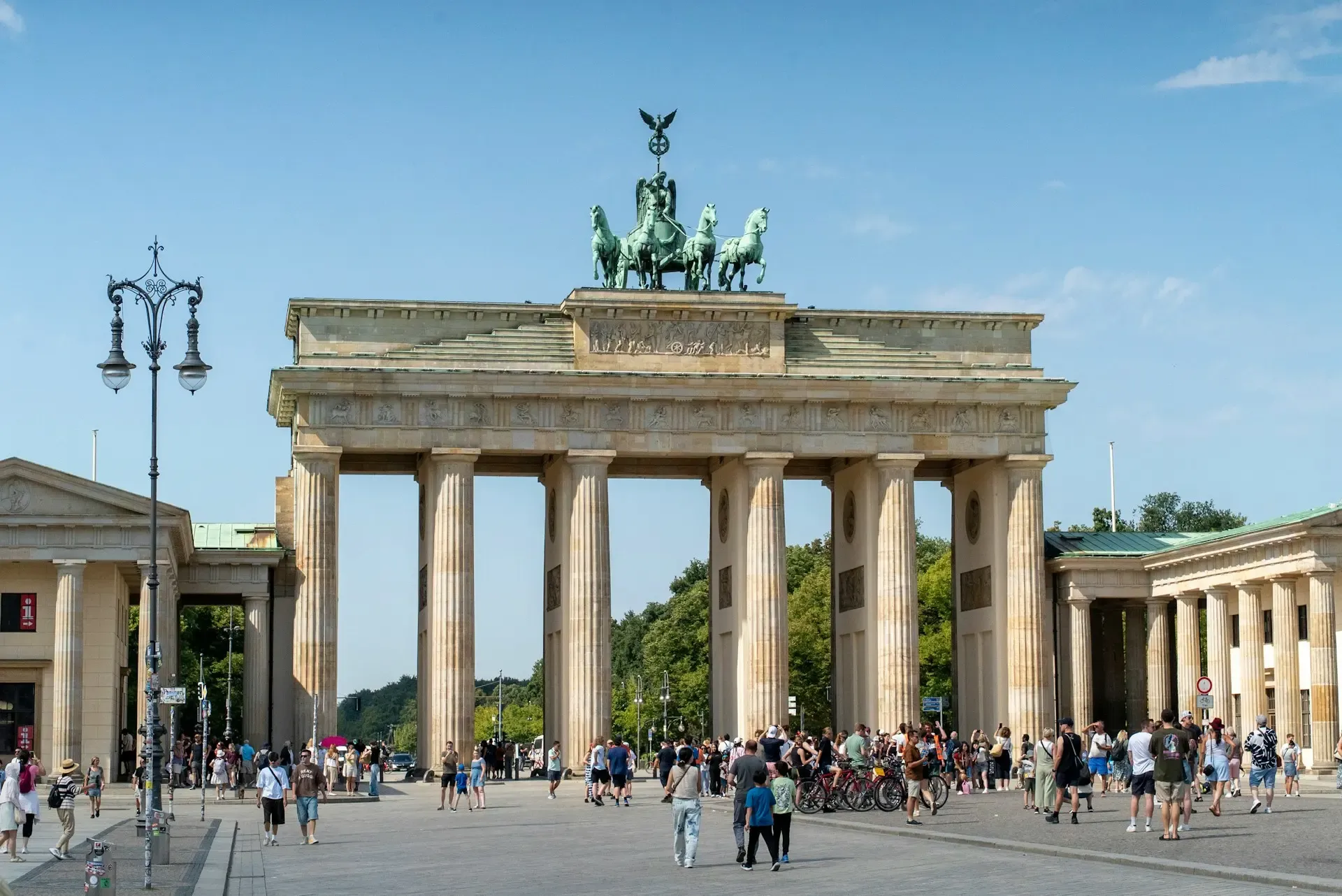
If this is your first Berlin visit and you have two to four days, Mitte is the default I would beat only for a specific reason. The Brandenburg Gate, Reichstag, Museum Island and Berlin Cathedral all sit in or near the historic centre. It is also wonderfully easy to get distracted by a courtyard or stop for coffee without throwing away your whole day.
But “stay in Mitte” is not precise enough.
Where I would actually look in Mitte
Hackescher Markt and Spandauer Vorstadt: My favourite first search area for the combination of restaurants, attractive streets, Museum Island access and S-Bahn connections. Look around Hackescher Markt, the quieter side streets off Oranienburger Straße and the streets toward Monbijoupark. You’ll have evening options without needing to return to a purely business-hotel district.
Friedrichstraße and Unter den Linden: Choose this when museums, the Reichstag and classic sightseeing are the priority. Connections are excellent. The compromise is atmosphere: some stretches feel more commercial, and a large hotel beside a major road can be less pleasant than its four-star label suggests.
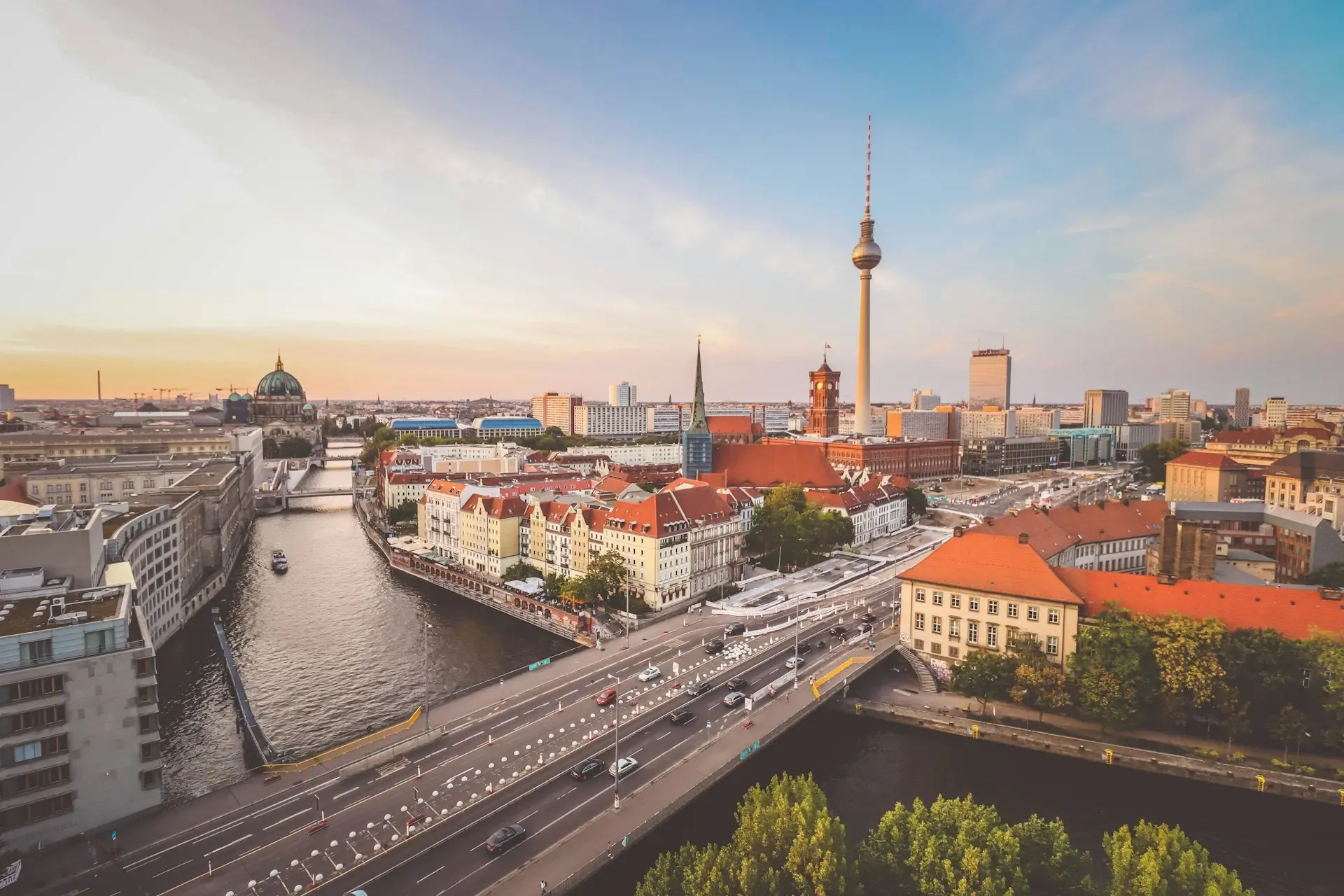
Around Alexanderplatz: Very practical for connections, shopping, the TV Tower and many hotel chains. Less appealing if you imagine a cosy Berlin neighbourhood outside your door. Check the exact side of the square and the room’s exposure to traffic.
Rosenthaler Platz: A lively edge of Mitte that suits restaurants and independent shops more than an all-monuments trip. It is an excellent option if you want some Prenzlauer Berg energy without moving far from the centre.
What I would avoid: Paying a large premium just to be directly beside a famous landmark. Staying close to Brandenburg Gate is convenient in the daytime, but it doesn’t automatically give you the most enjoyable evenings. Around Hauptbahnhof, you may get an efficient hotel without much happening immediately outside it.
If you want to see why this part of town works so well, begin with our first-time Berlin essentials or follow the Museum Island morning route.
2. Prenzlauer Berg: my pick for calmer mornings and families
Prenzlauer Berg isn’t a museum district. That’s the point. Wake up near Kollwitzplatz, find a bakery, walk along streets lined with older apartment buildings and take your time over breakfast. It is one of the nicest ways to spend the first hour of a day in Berlin.
Look near Kollwitzplatz for leafy streets and food, Senefelderplatz for a useful U2 connection, or Eberswalder Straße if you want cafés and transport right outside. Around Helmholtzplatz is another appealing pocket, though the exact hotel-to-station walk matters.
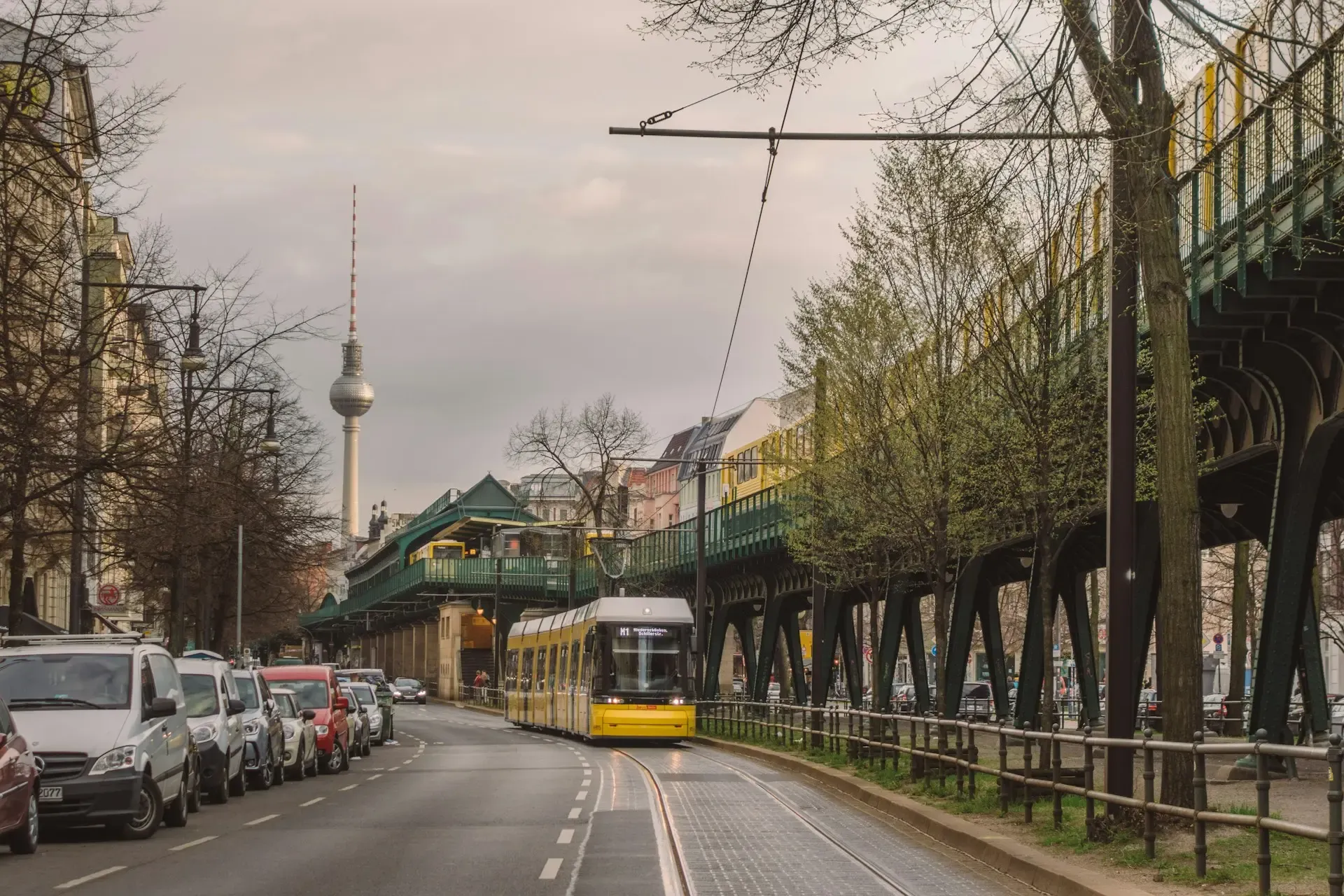
The downside is that not every itinerary starts nearby. Brandenburg Gate, City West and some Wall sites require transit. And no, Prenzlauer Berg is not uniformly silent. On warm evenings the areas near bars and busy tram corridors can still be loud.
For families: A spacious room or serviced apartment with a lift, kitchen or separate sleeping space is usually worth more than a fashionable address. Check which floor you’re on and whether a stroller can reach it without stairs. Our Berlin with kids guide helps plan days that match that slower rhythm.
3. Kreuzberg: food, character and better evenings than mornings at monuments
Kreuzberg is not one single mood. The streets around Bergmannstraße feel quite different from the lively blocks around Oranienstraße or the canal near Paul-Lincke-Ufer. That’s why I would never book a Kreuzberg hotel from the neighbourhood name alone.
Bergmannkiez and Mehringdamm: The gentler introduction, with cafés, restaurants and a more residential feel in many side streets. Good if you want Kreuzberg without sleeping on a nightlife strip. Check your route to a U-Bahn station.
Graefekiez and the Landwehr Canal: Great if cafés, food and long neighbourhood walks are the reason you came. Some lovely streets are not directly beside an S-Bahn, so double-check transfers.
Around Oranienstraße and Görlitzer Bahnhof: Best for visitors who actively want late evenings and alternative culture. Fantastic to explore; not my first recommendation for light sleepers.
The downside: Some popular restaurant and nightlife blocks are loud, and the easiest-looking line on the map may not go directly where your sightseeing day starts.
4. Friedrichshain: great for clubs, East Side Gallery and long nights
If you’re going to Berlin for electronic music, concerts, late bars and the energy around Warschauer Straße, Friedrichshain makes sense. But there is a big difference between sleeping near Boxhagener Platz, right beside Warschauer Straße and near Ostbahnhof.
Boxhagener Platz and the surrounding side streets are a good choice for cafés, restaurants and feeling part of a neighbourhood. Warschauer Straße is useful for its S-Bahn and U-Bahn connections but is busy. Ostbahnhof can be convenient for transport and accommodation by the Spree, though some nearby blocks feel more like a venue or hotel zone than a cosy residential street.
The East Side Gallery and Oberbaumbrücke are natural walks from parts of Friedrichshain. A late night here can be easier when your bed is nearby. But if you’re mainly visiting the Reichstag and Museum Island and plan to be asleep by 10pm, I would look elsewhere.
5. Charlottenburg and City West: don’t dismiss the west
Visitors sometimes treat Charlottenburg as a consolation prize because it’s not “central”. That makes little sense if your trip involves shopping, the zoo, classic West Berlin streets or a calmer evening.
Savignyplatz is a particularly nice search area: restaurants, handsome streets and an S-Bahn station, without the feeling that you’re sleeping on a tourist bus route. Kurfürstendamm works for shopping and full-service hotels. Zoologischer Garten is the transport-heavy choice, ideal if you value connections more than quiet outside the entrance.
Around Kantstraße and Savignyplatz, I’d check for rooms facing a courtyard. Close to the Ku’damm, look carefully at whether the hotel is right on a major road.
You are farther from Museum Island than you would be in Mitte, but this is not the wrong Berlin. It is another centre of the city. The broader four-day Berlin itinerary makes room for City West instead of pretending everything worth seeing is in the east.
6. Schöneberg: an underrated base with good connections
Schöneberg deserves a look if you want local restaurants and a residential feel without giving up city transport. Around Nollendorfplatz you have several U-Bahn routes and a historically important queer nightlife area. Viktoria-Luise-Platz and Bayerischer Platz have a different, quieter mood.
The trade-off is geographical: “Schöneberg” on a hotel website can mean very different walking distances and connections. I would not recommend a listing purely because the price is good. Check its station, whether you need to change trains for your top sights, and whether the street is busy at night.
For LGBTQ+ travellers specifically, the blocks around Nollendorfplatz and Motzstraße place you close to long-established venues and community history. Choose those streets if the scene matters to you, not because every traveller needs to stay there.
7. Neukölln: great to visit, a more deliberate choice to stay
Northern Neukölln offers excellent food, bars and an interesting mix of urban scenes. Around Weserstraße, evenings can run very late. Hermannplatz provides useful U7 and U8 connections but is a busy transport and shopping node rather than a picturesque square.
If you’ve visited Berlin before, have friends nearby or deliberately want this sort of neighbourhood, it can be a rewarding base. If you’re here for 48 hours and want to walk to Museum Island, I would not choose it just because somebody called it the “authentic Berlin”.
Important: A listing simply tagged “Neukölln” may be nowhere near the northern streets people are talking about. Check the actual pin. The borough extends much farther south.
8. Potsdamer Platz or Hauptbahnhof: function over atmosphere
These are practical options for a conference, a train-focused trip or a short visit where predictable transport matters.
Potsdamer Platz offers hotel chains and access to the modern business district, the S-Bahn and the historic centre. It can feel less personal after office hours. Berlin Hauptbahnhof is extremely convenient for trains, but the station itself is not a charming old-town quarter.
Choose one of these if you want a straightforward room and efficient connections. Choose a smaller Kiez if you want cafés and local streets to be part of the holiday. Neither is a mistake as long as you know what you’re buying.
Where should you stay in Berlin with kids, as a couple or on a budget?
| Comparison | My first search | Alternative | What I would prioritise |
|---|---|---|---|
| First visit, two nights | Hackescher Markt / Friedrichstraße | Potsdamer Platz | Walkable historic centre and easy arrivals |
| First visit, three or four nights | Mitte near Hackescher Markt | Charlottenburg near Savignyplatz | Transport plus enjoyable evening streets |
| With toddlers or young children | Prenzlauer Berg near Kollwitzplatz | Charlottenburg side streets | Lift, quiet room, breakfast, park and simple journeys |
| Couple wanting restaurants | Savignyplatz or Prenzlauer Berg | Graefekiez | Good evenings and a comfortable room, not a nightlife label |
| Clubs and late nights | Friedrichshain near Warschauer Straße | Kreuzberg near Görlitzer Bahnhof | Short journey home, room away from the loudest street |
| Tight budget | Compare rooms along useful S/U-Bahn connections | Schöneberg or City West | Total trip cost, not the lowest headline nightly rate |
| Work trip or intercity trains | Potsdamer Platz / Hauptbahnhof | Zoo area | Direct connections and predictable check-in |
If you’re travelling as a family, start with where the child will actually sleep. A separate bedroom, a functioning lift, blackout curtains and access to groceries can change the trip far more than a hotel lobby’s design. Then use our two-day family itinerary to test whether the location works for the activities you want.
On a budget, don’t assume Neukölln or Friedrichshain will always be cheaper. A convention, football match, concert or busy weekend can make an apparently expensive area the better deal. Compare the total price on your dates, and factor in transit and breakfast.
How to check the exact hotel location in five minutes
This is the part of the process that saves the most regret.
- Copy the real street address, not the name of the district shown by the booking site.
- Find the nearest S-Bahn or U-Bahn station on the map. Look for a realistic walking route, not a straight-line estimate.
- Check three journeys: to your main attraction, to your evening area, and from BER or Hauptbahnhof. Use BVG’s journey planner with your approximate arrival time.
- Open street view and look at the road. A tram stop, bar terrace, nightclub or major junction immediately below the window may matter more than the neighbourhood’s reputation.
- Read the lowest recent reviews specifically about noise, room temperature, lifts and cleanliness. Ignore a glowing review of the breakfast if you need sleep and accessibility.
A station cheat sheet
- Hackescher Markt: particularly useful for Museum Island and a historic Mitte base.
- Friedrichstraße: strong S-Bahn and U6 interchange for central sightseeing.
- Alexanderplatz: major interchange, excellent transport, very busy surroundings.
- Senefelderplatz / Eberswalder Straße: practical starting points for Prenzlauer Berg.
- Warschauer Straße: useful for nightlife and connections, but expect a lively street environment.
- Savignyplatz / Zoologischer Garten: useful for City West hotels and east-west journeys.
- Nollendorfplatz: multiple U-Bahn connections and Schöneberg nightlife.
- Hermannplatz: U7/U8 interchange, but the immediate square is not what most people mean by picturesque Neukölln.
For tickets, zone boundaries, night transport and validating your ticket, read our complete Berlin public transport guide.
BER Airport: should you choose a hotel because of the train?
Usually not. Choose the part of Berlin you want to experience, then check whether the airport route is reasonable. Airport transport is good enough that most central neighbourhoods can work.
The key facts as checked against the airport and transport operators in October 2026:
- BER Airport is in fare zone C. You need an ABC ticket for a normal journey between the airport and central Berlin, not a standard AB-only ticket.
- The FEX Airport Express now serves Hauptbahnhof, Potsdamer Platz and Südkreuz on its airport route. Don’t rely on an old blog post showing a different FEX route.
- S9 and S85 also serve the airport, though their routes and journey times are different from the express.
- Trains use the station below Terminal 1; if you’re arriving at Terminal 2, follow the airport’s signs for the rail station.
- Disruption matters. Construction and temporary timetable changes can invalidate an otherwise perfect-looking connection. Check your specific travel day in the airport/VBB planner.
The airport operator currently describes Hauptbahnhof to BER on the FEX as approximately 23 minutes of train travel, excluding platform access, waiting and walking to your hotel. Do not mistake that for an entire door-to-door airport journey.
What does a Berlin hotel really cost?
I would not give you fixed “Mitte costs €X, Neukölln costs €Y” numbers. They can become misleading overnight. Hotel prices change dramatically with dates, availability, trade fairs, major concerts and room type. A weekend, an exhibition week and a random Tuesday are different markets.
Berlin also charges an overnight accommodation tax (City Tax) of 7.5% of the net accommodation charge, excluding extras such as breakfast. The city says that business stays are also taxable and the rate has applied since 1 January 2025. Confirm whether the tax is already included in the price displayed at checkout.
To compare two rooms fairly, check the final cost for your entire stay, including cancellation flexibility, breakfast, luggage storage, payment terms, occupancy and any applicable charges. If you’re with children, verify bedding and age rules rather than assuming a “double room” sleeps three.
What about apartments and Airbnb?
An apartment can be the best option for a family or longer visit, particularly when you need a kitchen and somewhere to sit after bedtime. But look for a legitimate, professionally operated property with clear check-in arrangements, transparent fees and realistic sleeping capacity.
Berlin regulates short-term holiday rentals. Don’t assume that every private-flat listing is lawful or reliably available simply because it appears on a platform. For a first short visit, a licensed hotel or serviced apartment with reception or a well-documented arrival process may be less risky. Check any listing’s actual property details and current local rules.
Is Berlin safe? Where should you avoid staying?
I wouldn’t label entire Berlin neighbourhoods “safe” or “unsafe”. A major station, a street full of bars and a quiet residential block can feel different a few hundred metres apart. Late-night noise, lighting, crowded stations, luggage security and how comfortable you feel walking back are practical issues everywhere.
If you travel solo or expect to return late, consider a hotel with a staffed reception and a short, well-lit route from a useful station. Read recent, location-specific comments rather than treating broad neighbourhood stereotypes as facts. If you’re concerned about step-free access, use BVG’s accessibility information and check lift status for the exact journey.
One optional way to experience the neighbourhood beyond your hotel
If you’ve chosen to stay around Hackescher Markt, you’ll already be close to one of the city’s most interesting clusters of inner courtyards. You can explore independently for free. If you prefer context, the existing Berlin hidden backyards guided walk goes into Spandauer Vorstadt, Hackesche Höfe and neighbouring courtyards. It’s a sightseeing experience, not a hotel-booking service or a reason to choose a particular accommodation. Only book it if this kind of neighbourhood history interests you.
For a wider overview of what deserves your time after you check in, our Things to Do in Berlin guide helps separate the worthwhile experiences from the obligatory checklist.
My final recommendation
For a first trip, I would search Hackescher Markt and nearby Mitte first, then compare the best-value rooms around Friedrichstraße. For a young family or a slower holiday, Prenzlauer Berg would be next. If you want restaurants and nightlife at your door, choose a very specific pocket of Kreuzberg or Friedrichshain rather than booking a district at random. If City West gives you a noticeably better room at a better total price, Charlottenburg is a perfectly good decision.
And before clicking “reserve”, check the exact street and your three most important journeys. That five-minute map check is worth more than reading another ten generic lists of Berlin’s coolest neighbourhoods.
Once you’ve chosen your base, use our three-day Berlin itinerary to see whether your chosen station makes sense for the sightseeing you actually plan.
Frequently asked questions
What is the best area to stay in Berlin for the first time?
For a first visit focused on famous sights, I would start near Hackescher Markt or Friedrichstraße in Mitte. The attractions and transport are convenient. If you prefer quiet cafés and a slower trip, consider Prenzlauer Berg.
Is Mitte or Kreuzberg better for tourists?
Mitte is usually easier for a short sightseeing visit: Museum Island, the Reichstag and the historic centre are close. Kreuzberg works better if restaurants, independent bars and neighbourhood evenings are your priorities. Both vary significantly by street.
Is it better to stay in East Berlin or West Berlin?
Neither side is universally better. Historic Mitte and eastern neighbourhoods suit many first-time routes, while Charlottenburg and City West offer shopping, restaurants and excellent transport. Choose the exact location and connections rather than an East versus West label.
Where should families stay in Berlin?
Prenzlauer Berg and quiet parts of Charlottenburg are good starting points. Prioritise the actual room layout, lift, a quiet sleeping space, nearby food and straightforward transport over the neighbourhood's reputation.
Where should I stay in Berlin for nightlife?
Friedrichshain near Warschauer Straße or Boxhagener Platz is convenient for many clubs and late bars. Parts of Kreuzberg and northern Neukölln are alternatives. Check whether the room is directly above a noisy street.
Is Alexanderplatz a good place to stay?
Alexanderplatz is extremely convenient for transport and some attractions, but the square itself is busy and less intimate than smaller neighbourhood streets. It can be a great practical choice if your hotel and room are comfortable.
Do I need a car if I stay outside Mitte?
Most visitors do not. Hotels near well-connected S-Bahn or U-Bahn stations can be convenient without a car. Test journeys to your main sightseeing areas before choosing a room.
Which transport ticket do I need from BER Airport to my hotel?
A journey from BER Airport to central Berlin normally needs the Berlin ABC fare zones because the airport lies in zone C. Check BVG or VBB for your particular journey and current fares.
Is Berlin's City Tax included in the hotel price?
It depends on the property's displayed checkout price and how the booking is presented. Berlin's accommodation tax is 7.5% of the net accommodation charge; check the total and whether the property collects anything separately.
How many days should I stay in Berlin?
Three to four full days are a comfortable starting point for a first visit, though two days work with a realistic itinerary. Stay near the activities you care about, not just a place described as central.
Sources
- visitBerlin: Berlin's districts and neighbourhoods (opens in a new tab)Official tourism information about the boroughs and Kieze.
- visitBerlin: Nightlife districts (opens in a new tab)Official overview of nightlife areas.
- BVG: Zones and tariff information (opens in a new tab)Official AB/ABC zones.
- BER Airport: Public transport (opens in a new tab)Current airport train routes and travel details.
- BER Airport: Current rail disruption notices (opens in a new tab)Construction and connection changes.
- Berlin.de: Overnight accommodation tax (opens in a new tab)Official 7.5% City Tax rules.
Related guides
This article contains affiliate links. If you book through them, we may earn a commission at no extra cost to you.Affiliate disclosure